
- 阻害剤
- 研究分野別
- PI3K/Akt/mTOR
- Epigenetics
- Methylation
- Immunology & Inflammation
- Protein Tyrosine Kinase
- Angiogenesis
- Apoptosis
- Autophagy
- ER stress & UPR
- JAK/STAT
- MAPK
- Cytoskeletal Signaling
- Cell Cycle
- TGF-beta/Smad
- 化合物ライブラリー
- 抗体
- 新製品
- お問い合わせ

OXPHOS
OXPHOS製品
- All (14)
- OXPHOS阻害剤 (12)
- 新製品
| 製品コード | 製品名称 | 製品説明 | 文献中Selleckの製品使用例 | お客様のフィードバック |
|---|---|---|---|---|
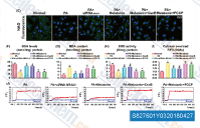
| S8276 | FCCP | FCCP(トリフルオロメトキシカルボニルシアニドフェニルヒドラゾン、カルボニルシアニド-4-(トリフルオロメトキシ)フェニルヒドラゾン)は、プロトンを細胞膜を介して輸送することによりATP合成を阻害する、ミトコンドリアにおける強力な酸化的リン酸化脱共役剤です。 |
|
|
| S8731 | IACS-010759 (IACS-10759) | IACS-010759 (IACS-10759)は、複合体Iの阻害を介して細胞呼吸を遮断する、強力で選択的な酸化的リン酸化阻害剤(IC50 < 10 nM)です。 | ||
| S6494 | CCCP (Carbonyl cyanide 3-chlorophenylhydrazone) | CCCP(Carbonyl cyanide m-chlorophenyl hydrazone、Carbonyl cyanide 3-chlorophenylhydrazone)は、酸化的リン酸化阻害剤であり、プロトンを膜透過させるプロトンフォア型のミトコンドリア脱共役剤です。これによりプロトンの膜透過性が高まり、ミトコンドリア膜電位が破壊されます。 | ||
| S8828 | Gboxin | Gboxinは、がん細胞における酸化的リン酸化の阻害剤です。GboxinはF0F1 ATP合成酵素の活性を阻害します。これは、初代マウスおよびヒトの膠芽腫細胞の増殖を特異的に阻害しますが、マウス胚線維芽細胞や新生仔アストロサイトの増殖は阻害しません。 | ||
| S0096 | S-Gboxin | Gboxinの機能的アナログであるS-Gboxinは、IC50 470 nMでマウスおよびヒトの神経膠芽腫 (GBM)の増殖を阻害する酸化的リン酸化 (OXPHOS)阻害剤です。 | ||
| S2987 | 4-Methyl-2-oxovaleric acid | 4-Methyl-2-oxovaleric acid(Ketoleucine、4-MOV、KIC、4-Methyl-2-oxopentanoic acid、alpha-Ketoisocaproic acid、alpha-ketoisocaproate、2-Oxoisohexanoate)は、アストロサイトからニューロンに放出され、アミノトランスフェラーゼによってロイシンに再アミノ化されます。4-Methyl-2-oxovaleric acidは骨格筋のタンパク質分解速度を低下させます。4-Methyl-2-oxovaleric acidは、酸化的リン酸化(OXPHOS)の脱共役剤として、またα-ケトグルタル酸デヒドロゲナーゼ(オキソグルタル酸デヒドロゲナーゼ複合体、OGDC)活性に対する阻害作用を介して、代謝阻害剤として作用します。 | ||
| S8943 | VLX600 | VLX600は、酸化的リン酸化(OXPHOS)を阻害する新規鉄キレート剤であり、腫瘍スフェロイドにおける放射線効果を相乗的に増強します。VLX600は、栄養飢餓条件下で細胞毒性活性の増強を示します。VLX600は、抗腫瘍活性を伴うオートファジーとミトコンドリア阻害を誘導します。 | ||
| S9736 | ME-344 | ME-344は、ミトコンドリアの酸化的リン酸化(OXPHOS)複合体Iの強力な阻害剤であるNV-128の合成代謝物であり、ATP産生と酸素消費を阻害します。また、AKT/mTOR経路をダウンレギュレートすることでmTORを阻害し、白血病細胞株において細胞増殖と生存能力を阻害することで抗がん活性を示し、IC50値は70~260 nMです。 | ||
| S9604 | Lixumistat (IM156) | Lixumistat (IM156) は、AMPKの強力な活性化因子であり、AMPKのリン酸化を増加させます。IM156は、複合体Iの阻害を介して酸化的リン酸化(OXPHOS)をブロックし、アポトーシスを増加させます。IM156は、様々な種類の線維症を改善し、腫瘍を抑制します。 | ||
| E4709 | MS-L6 | MS-L6(Agn-PC-0N3ahi、NSC34338)は、OXPHOSの強力な阻害剤であり、呼吸鎖のNADH酸化の阻害と脱共役効果を組み合わせ、電子伝達系複合体I(ETC-I)を標的とします。強力な抗腫瘍効果を示します。 | ||
| E5927New | Mito-LND (Mito-Lonidamine) | Mito-LND (Mito-Lonidamine) は、トリフェニルホスホニウムカチオンと結合した、ミトコンドリアを標的とするロニダミン誘導体であり、がん細胞ミトコンドリアの高い膜電位により選択的に蓄積されます。これは、呼吸複合体IおよびIIを破壊することで酸化的リン酸化 (OXPHOS)を強力に阻害し、AKT/mTOR/p70S6Kシグナル伝達を抑制しながらROS産生とPrx3酸化を刺激します。 | ||
| E1139 | DX3-213B | DX3-213Bは、IC50が3.6 nMの強力な経口活性酸化的リン酸化(OXPHOS)複合体I阻害剤であり、IC50が11 nMでATP生成を阻害します。 | ||
| E1149 | BAY-179 | BAY-179は、がん適応症における複合体I阻害の生物学的関連性を探索するための、優れたin vivoに適したツールです。 | ||
| S5604 | Diphenylamine Hydrochloride | Diphenylamine(N-Phenylbenzenamine、Anilinobenzene、C.I. 10355)は、アニリンの誘導体であり、工業用酸化防止剤、染料媒染剤、試薬として広く使用されており、農業では殺菌剤および駆虫剤としても用いられています。 | ||
| S8731 | IACS-010759 (IACS-10759) | IACS-010759 (IACS-10759)は、複合体Iの阻害を介して細胞呼吸を遮断する、強力で選択的な酸化的リン酸化阻害剤(IC50 < 10 nM)です。 | ||
| S8828 | Gboxin | Gboxinは、がん細胞における酸化的リン酸化の阻害剤です。GboxinはF0F1 ATP合成酵素の活性を阻害します。これは、初代マウスおよびヒトの膠芽腫細胞の増殖を特異的に阻害しますが、マウス胚線維芽細胞や新生仔アストロサイトの増殖は阻害しません。 | ||
| S0096 | S-Gboxin | Gboxinの機能的アナログであるS-Gboxinは、IC50 470 nMでマウスおよびヒトの神経膠芽腫 (GBM)の増殖を阻害する酸化的リン酸化 (OXPHOS)阻害剤です。 | ||
| S2987 | 4-Methyl-2-oxovaleric acid | 4-Methyl-2-oxovaleric acid(Ketoleucine、4-MOV、KIC、4-Methyl-2-oxopentanoic acid、alpha-Ketoisocaproic acid、alpha-ketoisocaproate、2-Oxoisohexanoate)は、アストロサイトからニューロンに放出され、アミノトランスフェラーゼによってロイシンに再アミノ化されます。4-Methyl-2-oxovaleric acidは骨格筋のタンパク質分解速度を低下させます。4-Methyl-2-oxovaleric acidは、酸化的リン酸化(OXPHOS)の脱共役剤として、またα-ケトグルタル酸デヒドロゲナーゼ(オキソグルタル酸デヒドロゲナーゼ複合体、OGDC)活性に対する阻害作用を介して、代謝阻害剤として作用します。 | ||
| S8943 | VLX600 | VLX600は、酸化的リン酸化(OXPHOS)を阻害する新規鉄キレート剤であり、腫瘍スフェロイドにおける放射線効果を相乗的に増強します。VLX600は、栄養飢餓条件下で細胞毒性活性の増強を示します。VLX600は、抗腫瘍活性を伴うオートファジーとミトコンドリア阻害を誘導します。 | ||
| S9736 | ME-344 | ME-344は、ミトコンドリアの酸化的リン酸化(OXPHOS)複合体Iの強力な阻害剤であるNV-128の合成代謝物であり、ATP産生と酸素消費を阻害します。また、AKT/mTOR経路をダウンレギュレートすることでmTORを阻害し、白血病細胞株において細胞増殖と生存能力を阻害することで抗がん活性を示し、IC50値は70~260 nMです。 | ||
| S9604 | Lixumistat (IM156) | Lixumistat (IM156) は、AMPKの強力な活性化因子であり、AMPKのリン酸化を増加させます。IM156は、複合体Iの阻害を介して酸化的リン酸化(OXPHOS)をブロックし、アポトーシスを増加させます。IM156は、様々な種類の線維症を改善し、腫瘍を抑制します。 | ||
| E4709 | MS-L6 | MS-L6(Agn-PC-0N3ahi、NSC34338)は、OXPHOSの強力な阻害剤であり、呼吸鎖のNADH酸化の阻害と脱共役効果を組み合わせ、電子伝達系複合体I(ETC-I)を標的とします。強力な抗腫瘍効果を示します。 | ||
| E5927New | Mito-LND (Mito-Lonidamine) | Mito-LND (Mito-Lonidamine) は、トリフェニルホスホニウムカチオンと結合した、ミトコンドリアを標的とするロニダミン誘導体であり、がん細胞ミトコンドリアの高い膜電位により選択的に蓄積されます。これは、呼吸複合体IおよびIIを破壊することで酸化的リン酸化 (OXPHOS)を強力に阻害し、AKT/mTOR/p70S6Kシグナル伝達を抑制しながらROS産生とPrx3酸化を刺激します。 | ||
| E1139 | DX3-213B | DX3-213Bは、IC50が3.6 nMの強力な経口活性酸化的リン酸化(OXPHOS)複合体I阻害剤であり、IC50が11 nMでATP生成を阻害します。 | ||
| E1149 | BAY-179 | BAY-179は、がん適応症における複合体I阻害の生物学的関連性を探索するための、優れたin vivoに適したツールです。 | ||
| S5604 | Diphenylamine Hydrochloride | Diphenylamine(N-Phenylbenzenamine、Anilinobenzene、C.I. 10355)は、アニリンの誘導体であり、工業用酸化防止剤、染料媒染剤、試薬として広く使用されており、農業では殺菌剤および駆虫剤としても用いられています。 | ||
| E5927New | Mito-LND (Mito-Lonidamine) | Mito-LND (Mito-Lonidamine) は、トリフェニルホスホニウムカチオンと結合した、ミトコンドリアを標的とするロニダミン誘導体であり、がん細胞ミトコンドリアの高い膜電位により選択的に蓄積されます。これは、呼吸複合体IおよびIIを破壊することで酸化的リン酸化 (OXPHOS)を強力に阻害し、AKT/mTOR/p70S6Kシグナル伝達を抑制しながらROS産生とPrx3酸化を刺激します。 |

納期 国内在庫品:受注日の翌日(15時までの受注分) *北海道、九州、沖縄への配送は受注日より2日以上 を要する場合あり 海外在庫品:受注後1〜2週間