
- 阻害剤
- 研究分野別
- PI3K/Akt/mTOR
- Epigenetics
- Methylation
- Immunology & Inflammation
- Protein Tyrosine Kinase
- Angiogenesis
- Apoptosis
- Autophagy
- ER stress & UPR
- JAK/STAT
- MAPK
- Cytoskeletal Signaling
- Cell Cycle
- TGF-beta/Smad
- 化合物ライブラリー
- 抗体
- 新製品
- お問い合わせ

Amonafide
別名:NSC308847,AS1413
Amonafide (NSC308847, AS1413) は、topoisomerase II を介した反応によってタンパク質結合DNA鎖切断を引き起こしますが、topoisomerase I を介したDNA切断は引き起こしません。フェーズ3。
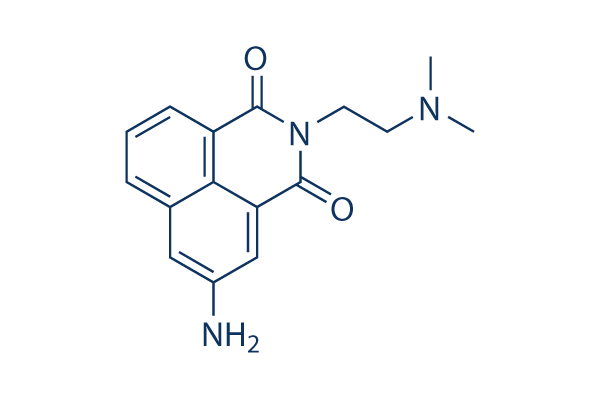
CAS No. 69408-81-7
文献中Selleckの製品使用例(8)
製品安全説明書
現在のバッチを見る:
S136701
DMSO]
57 mg/mL]
false]
Ethanol]
4 mg/mL]
false]
Water]
Insoluble]
false
純度:
99.94%
99.94
Amonafide関連製品
シグナル伝達経路
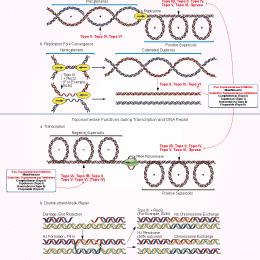
Topoisomerase阻害剤の選択性比較
生物活性
| 製品説明 | Amonafide (NSC308847, AS1413) は、topoisomerase II を介した反応によってタンパク質結合DNA鎖切断を引き起こしますが、topoisomerase I を介したDNA切断は引き起こしません。フェーズ3。 | |
|---|---|---|
| Targets |
|
| In Vitro | ||||
| In vitro | Through a topoisomerase II-mediated reaction, Amonafide treatment produces DNA single-strand breaks (SSB), double-strand breaks (DSB), and DNA-protein cross-links in human myeloid leukemia cells. This compound treatment inhibits colony formation of the leukemic cell lines and the normal human bone marrow GM-CFC in a dose-dependent manner. It does not produce topoisomerase I-mediated DNA cleavage even at 100 μM. The m-AMSA-resistant line is less than 2-fold resistant to this compound This chemical interferes with the DNA breakage-reunion activity of mammalian DNA topoisomerase II resulting in DNA cleavage stimulation. Compared with those of other antitumor drugs, this compound-stimulated cleavage intensity patterns are markedly different. It highly prefers a cytosine, and excludes guanines and thymines instead, at position -1, with lower preference for an adenine at position +1. Topoisomerase II-mediated DNA cleavage induced by this agent is affected only slightly (less than 3-fold) by 1 mM ATP, suggesting that it is an ATP-insensitive topoisomerase II inhibitor in contrast to doxorubicin, etoposide, and mitoxantrone. This compound significantly inhibits the growth of HT-29, HeLa, and PC3 cells with IC50 of 4.67 μM, 2.73 μM, and 6.38 μM, respectively. It is unaffected by P-glycoprotein-mediated efflux, unlike those of the classical topoisomerase II inhibitors (daunorubicin, doxorubicin, idarubicin, etoposide, and mitoxantrone). | |||
|---|---|---|---|---|
| 細胞実験 | 細胞株 | HT-29, HeLa, and PC3 | ||
| 濃度 | Dissolved in DMSO, final concentrations ~10 μM | |||
| 反応時間 | 72 hours | |||
| 実験の流れ | All cell lines are in the logarithmic phase of growth when the assay of 3-(4,5-dimethylthiazol-2-yl)-2,5-diphenyltetrazolium bromide (MTT) is carried out. Cells are harvested and seeded into 96-well tissue culture plates at a density of 2.5 × 10³ cells/well in 150 μL aliquots of medium. The concentrations tested are serial dilutions of a stock solution (10 μM in DMSO) with phosphate-buffered saline (PBS) and are added 24 hours later. The assay is ended after 72 hours of this compound exposure and PBS is used as a negative control. After 72 hours treatment, cells are washed twice with PBS, and then 50 μL/well of MTT reagent (1 mg/mL in PBS) together with 150 μL/well of prewarmed medium are added. The plates are returned to the incubator for 4 hours. Subsequently, DMSO is added as solvent. Absorbance is determined at 570 nm with a Microplate reader. All experiments are performed at least three times, and the average of the percentage absorbance is plotted against concentration. Then, the concentration of this chemical required to inhibit 50% of cell growth (IC50) is calculated for it. | |||
| NCT Number | Recruitment | Conditions | Sponsor/Collaborators | Start Date | Phases |
|---|---|---|---|---|---|
| NCT01066494 | UNKNOWN | Acute Myeloid Leukemia |
Antisoma Research |
2010-01 | PHASE2 |
| NCT00715637 | UNKNOWN | Secondary Acute Myeloid Leukemia (Secondary AML, sAML) |
Antisoma Research |
2007-06 | PHASE3 |
| NCT01066494 | Unknown status | Acute Myeloid Leukemia |
Antisoma Research |
2010-01 | Phase 2 |
| NCT00087854 | COMPLETED | Prostate Cancer |
Xanthus Pharmaceuticals, Inc. |
2004-03 | PHASE1; PHASE2 |
| NCT00273884 | Completed | Acute Myeloid Leukemia |
Xanthus Pharmaceuticals Inc. |
2005-08 | Phase 2 |
| NCT00087854 | Completed | Prostate Cancer |
Xanthus Pharmaceuticals Inc. |
2004-03 | Phase 1|Phase 2 |
|
化学情報
| 分子量 | 283.33 | 化学式 | C16H17N3O2 |
| CAS No. | 69408-81-7 | SDF | Download Amonafide SDFをダウンロードする |
| Smiles | CN(C)CCN1C(=O)C2=CC=CC3=CC(=CC(=C32)C1=O)N | ||
| 保管 | |||
|
In vitro |
DMSO : 57 mg/mL ( (201.17 mM); 吸湿したDMSOは溶解度を減少させます。新しいDMSOをご使用ください。) Ethanol : 4 mg/mL Water : Insoluble |
モル濃度計算器 |
|
in vivo Add solvents to the product individually and in order. |
投与溶液組成計算機 | |||||
実験計算
投与溶液組成計算機(クリア溶液)
ステップ1:実験データを入力してください。(実験操作によるロスを考慮し、動物数を1匹分多くして計算・調製することを推奨します)
mg/kg
g
μL
匹
ステップ2:投与溶媒の組成を入力してください。(ロット毎に適した溶解組成が異なる場合があります。詳細については弊社までお問い合わせください)
% DMSO
%
% Tween 80
% ddH2O
%DMSO
%
計算結果:
投与溶媒濃度: mg/ml;
DMSOストック溶液調製方法: mg 試薬を μL DMSOに溶解する(濃度 mg/mL, 注:濃度が当該ロットのDMSO溶解度を超える場合はご連絡ください。 )
投与溶媒調製方法:Take μL DMSOストック溶液に μL PEG300,を加え、完全溶解後μL Tween 80,を加えて完全溶解させた後 μL ddH2O,を加え完全に溶解させます。
投与溶媒調製方法:μL DMSOストック溶液に μL Corn oil,を加え、完全溶解。
注意:1.ストック溶液に沈殿、混濁などがないことをご確認ください;
2.順番通りに溶剤を加えてください。次のステップに進む前に溶液に沈殿、混濁などがないことを確認してから加えてください。ボルテックス、ソニケーション、水浴加熱など物理的な方法で溶解を早めることは可能です。
技術サポート
ストックの作り方、阻害剤の保管方法、細胞実験や動物実験の際に注意すべき点など、製品を取扱う時に問い合わせが多かった質問に対しては取扱説明書でお答えしています。
他に質問がある場合は、お気軽にお問い合わせください。
* 必須

納期 国内在庫品:受注日の翌日(15時までの受注分) *北海道、九州、沖縄への配送は受注日より2日以上 を要する場合あり 海外在庫品:受注後1〜2週間